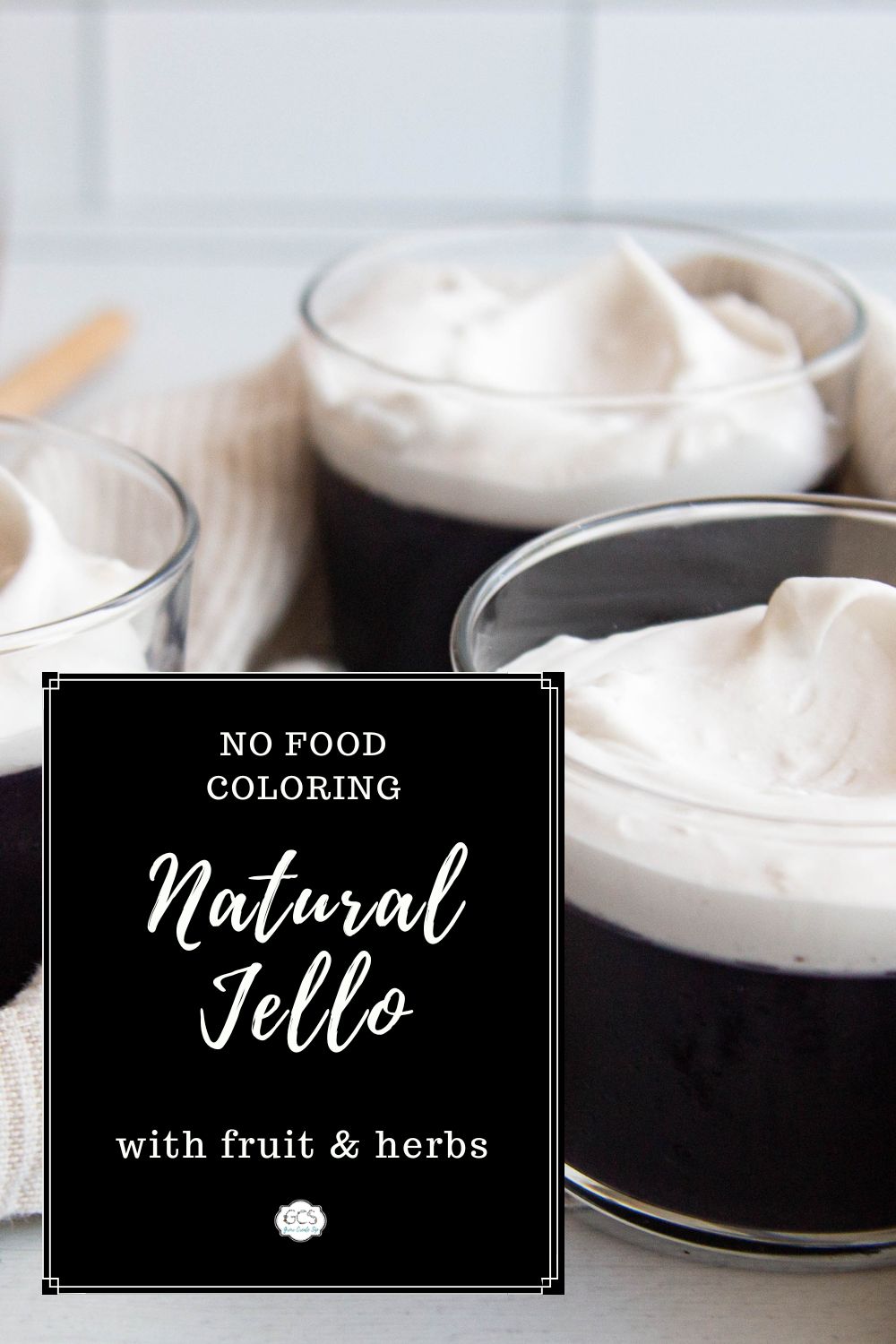
Natural Jello Recipe with Fruit & Herbs (No Food Coloring)
May 05, 2026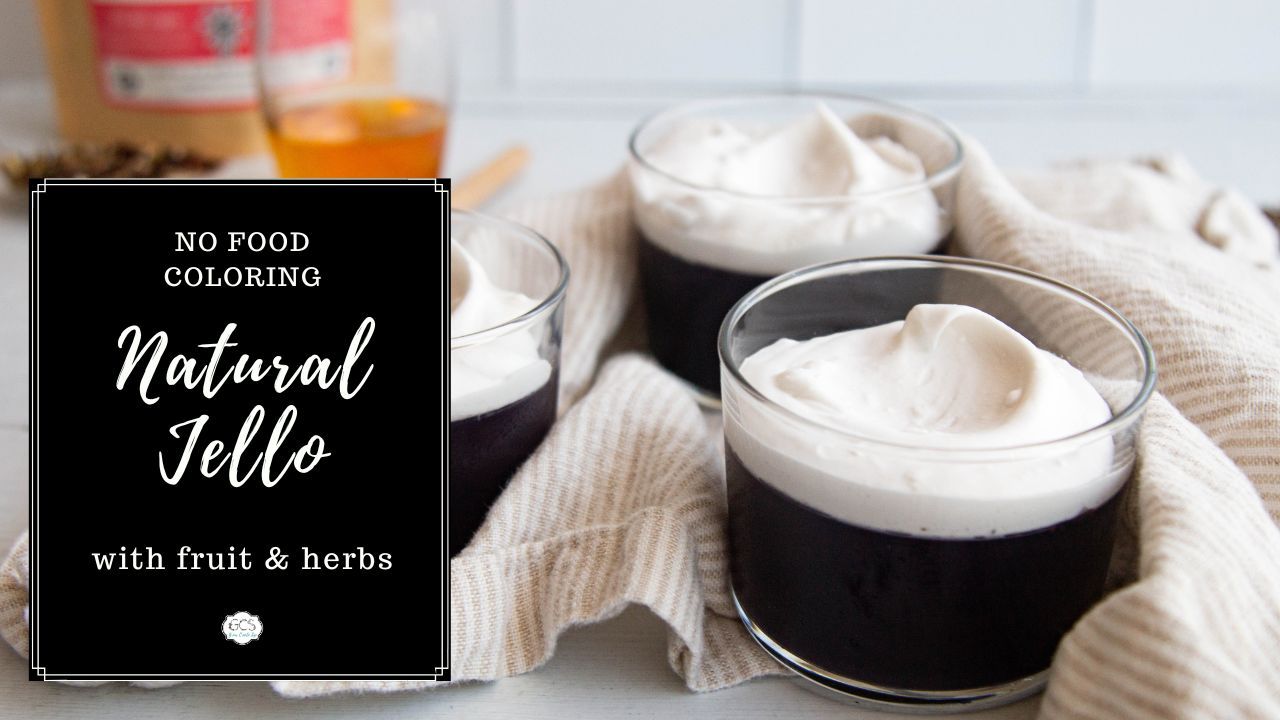
I still remember those bright little boxes of gelatin tucked into the refrigerator growing up. They always seemed to show up at potlucks and holidays, sitting alongside everything else on the table. It was familiar, colorful, and usually the first thing the kids reached for without a second thought.
These days, we still serve gelatin in the summer when you need something cold, simple, and easy to share. But instead of reaching for a box, I make a natural jello recipe at home using fruit and herbal tea. A healthy jello alternative still looks familiar, but what goes into it has changed in a way that better fits how we cook now.
This natural jello recipe brings back a familiar summer favorite using herbal tea, real fruit, and natural sweeteners instead of artificial dyes and additives. It is simple to make, easy to customize, and a practical way to serve something refreshing using ingredients you already trust.
The Legal Stuff
This blog is provided by St. Fiacre's Farm LLC for informational purposes only. It does not constitute medical advice, and you should always seek the advice of a qualified healthcare provider for any medical questions or concerns. These statements have not been evaluated by the Food and Drug Administration. This product is not intended to diagnose, treat, cure, or prevent any disease.
Please note that we may earn a small commission on any purchases you make through our affiliate links, at no additional cost to you. Thank you for your support.
Why We Stopped Buying Boxed Jell-O
Most premade gelatin mixes rely on synthetic colors to create the bright reds, greens, and oranges people expect. Those colors are made for consistency and shelf stability, not from anything you would find in the garden or pantry. The sweetness usually comes from high fructose corn syrup or refined sugar, chosen because they are inexpensive and easy to use in large-scale production.
There are also stabilizers and additives added to control how it sets and how long it can sit on a shelf without changing. All of that makes it behave the same every time, but none of it is needed for gelatin itself to do what it is meant to do.
And it is not anything we are looking to add back in when we are trying to build meals around real, whole ingredients.

What Gelatin Looked Like Before the Box
Gelatin, in its original form, is simple. It is a protein from collagen and has long been used in kitchens that made use of the whole animal. Before anything came in a box, it showed up in broths, molded dishes, and preserves that relied on natural structure instead of added ingredients.
Historically, gelatin dishes were not always as sweet as we think of them today. There were savory aspics in European kitchens and more medicinal preparations like calf’s foot jelly. In other parts of the world, there were herbal versions as well. It was not a dessert first; it was simply another way of preparing and using what was available.
What we see now in store-bought versions is a separated and altered form of that original ingredient, combined with sweeteners, dyes, and stabilizers for convenience.
When you bring it back into your own kitchen, you are working with it in a much simpler way and deciding for yourself what goes in and what stays out.
Letting Real Ingredients Create the Color
What changes in a homemade version are not the structure, but the inputs. Color comes from the ingredients themselves, not from an added dye.
A strong hibiscus tea will give you a deep red without anything artificial. A golden herbal blend or a light fruit juice like pineapple creates something softer and more subtle. Each batch reflects what went into it and gives you the flexibility to work with what you have on hand.
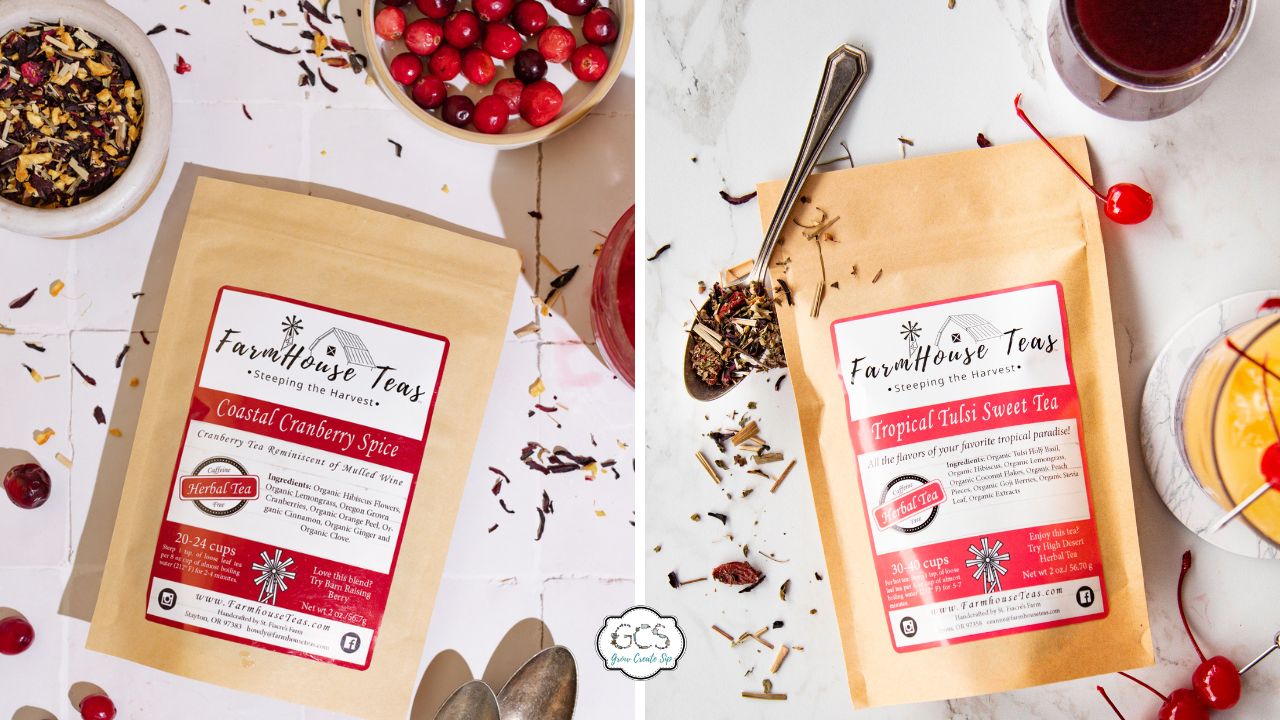
If you want a rich, berry-toned red, something like the Barn Raising Berry blend from Farmhouse Teas works especially well because it naturally brings both color and flavor without needing anything extra. For lighter blends, a simple chamomile tea like this one can create a soft yellow base that pairs easily with fruit.
Here is a practical way to think about natural color using real ingredients:
- Red comes from hibiscus tea, cranberry juice, or raspberry
- Purple comes from blueberry or blackberry
- Blue comes from butterfly pea flower tea
- Green comes from matcha or a mild mint infusion
- Yellow comes from chamomile tea or lemon juice
- Orange comes from carrot juice or mango
- Pink comes from diluted hibiscus or strawberry juice
All of these give color naturally without any synthetics, and you can adjust the depth depending on how strong you brew or blend them.
If you have read our post on avoiding commercial tea bags with microplastics, you already know why I prefer loose-leaf tea here. It makes a difference in both flavor and quality.
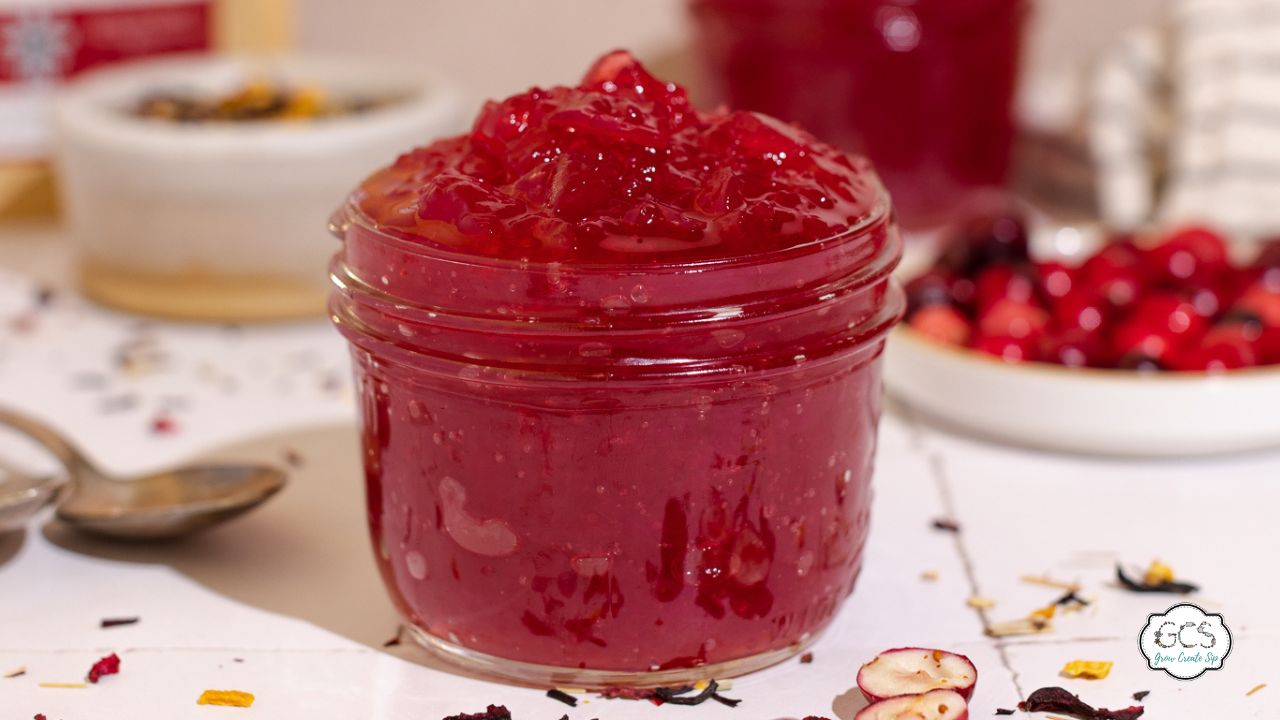
Sweetness that Fits your Kitchen, Not the Box
Sweetness is not fixed the way it is in store-bought versions.
Most boxed gelatin is made to taste the same every time, which usually means it is far sweeter than it needs to be. When you make it at home, you get to decide what that looks like. Like this cranberry tea jello that gets its natural color from hibiscus.
Honey or maple syrup can be added to taste, and each brings its own character. Honey tends to pair well with summer fruits and lighter herbal blends, while maple syrup works especially well with deeper flavors and fall combinations.
It also means the final result does not have to be overly sweet. You can adjust it to fit your own taste and what works best for your family, rather than working around something that was already decided for you.
A Cool Dish Waiting In Your Icebox
In the kitchen, this is still a practical dish. It is made ahead, kept chilled, and ready when you need it. It holds its shape, portions cleanly, and works well for gatherings where you want something simple that can sit out without much attention.
It also gives you another way to use herbal teas, just in a different form than you might be used to.
Once you have made it a few times, the method stays the same. You can change the tea, the juice, or the sweetener based on what you have on hand or what is in season without needing to rethink the whole process.
A basic homemade gelatin starts with about 2½ cups of fruit juice or strong herbal tea, already steeped and strained, warmed gently with honey or maple syrup. From there, whisk in 1 tablespoon of plain gelatin per cup of liquid, about 2½ tablespoons total, until fully dissolved. Pour into a dish and chill until set.
Simple Flavor Combinations to Try
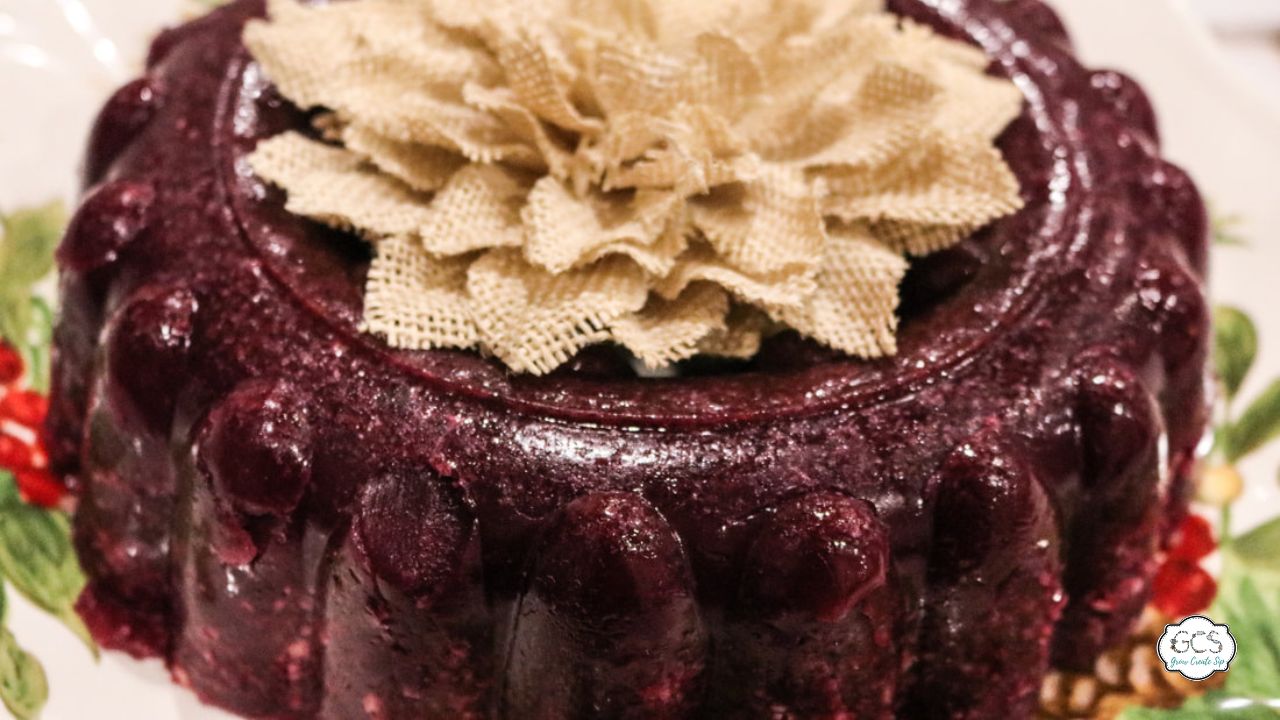
It is always fun to experiment, but I must admit that our default recipe is always Grandma's Cranberry Jello Salad remake, as it brings back so many childhood memories and Grandma's love right back into the room. Though we tend to have that for holidays, these ideas are fabulous any time of year:
- Hibiscus tea with honey and lime
- Cranberry tea with orange juice and maple syrup
- Pineapple juice with coconut milk and lime
- Peach juice with chamomile tea and honey
- Strawberry with basil tea and honey
- Raspberry juice with lemon balm tea and honey
- Apple juice with cinnamon and maple syrup
- Blueberry with mint tea and honey
- Cherry juice with vanilla and maple syrup
- Lemon juice with honey and lavender tea

Let’s Chat About it Like we’re in the Kitchen Together
How do I make homemade jello set properly?
Stick to about one tablespoon of gelatin per cup of liquid. Too much can make it firm and rubbery, while too little can keep it from setting.
Is homemade gelatin healthier than boxed jello?
Homemade gelatin skips artificial dyes, refined sugars, and additives. It uses real ingredients, which makes it a cleaner option for most families.
What fruits do not work well with gelatin?
Fresh pineapple and kiwi contain enzymes that prevent gelatin from setting unless they are cooked first.
Can I make this natural jello recipe ahead of time?
Yes, it works very well as a make-ahead dish. Just keep it refrigerated until you are ready to serve.
Slowly Changing Over our Kitchens
Over time, those simple swaps start to add up. What once felt like a change becomes just the way you cook and serve your family. This is one of those recipes that quietly makes that shift, keeping the familiarity while changing what goes into it. It may not be exactly what we grew up with, but it becomes something better, something you reach for without thinking because it fits your kitchen and the way you want to feed the people you love.
If you are finding yourself wanting to experiment more with herbs and simple recipes like this, I would love to invite you to download our free Cooking with Tea ebook here. It is a gentle, practical way to learn how to combine flavors with confidence so you can keep creating these kinds of nourishing, from-scratch favorites right at home in your own kitchen!
Learn more about Homemade Favorites
- Copycat Starbucks Drink Recipes to Make at Home
- Homemade Hot Chocolate Mix Recipe
- How to Flavor Water with Basil 5 Ways
- Commercial Tea Bags with Microplastics
- Easy Herbal Butter Spread Recipes
- Homemade Seasoning Spice Mix Recipes for Spring