The “Healing Leaves of the Trees”: A Practical Herbal Look
Mar 18, 2026
Every once in a while, a question starts showing up again and again in our inbox.
Recently, several readers wrote after reading a book titled The Biblio Diet, asking about what the authors call “the healing leaves.” The question usually sounds something like this:
Can I make tea from the leaves on the fruit trees in my yard?
It’s a reasonable thing to wonder. When you spend time in the garden, it’s natural to look at the plants growing around you and ask which parts might belong in the kitchen.
Trees are truly wonderful God-given plants. But centuries of herbal practice have also shown that not every leaf belongs in the teacup. Understanding why helps us use herbs more wisely and safely in the home herbal kitchen.
Many fruit trees produce leaves that seem useful at first glance, but traditional herbal practice teaches us to approach them carefully. While some leaves have long histories as safe tea herbs, many fruit tree leaves do not. Knowing the difference helps keep the home herbal kitchen both practical and wise.
Jump to a Section
How Herbal Tea Traditions Developed Tea Leaves vs Fruit Tree Leaves
The Prunus Family: Peach and Cherry Leaves What About Tannins?
Backyard Leaves and Tree Health What To Do Instead of a “Kitchen Sink” Leaf Blend
Fruit and Tree Herbs Traditionally Used How Herbalists Build Tea Blends
A Simple Tree-Inspired Tea Common Questions
The Legal Stuff
This blog is provided by St. Fiacre's Farm LLC for informational purposes only. It does not constitute medical advice, and you should always seek the advice of a qualified healthcare provider for any medical questions or concerns. These statements have not been evaluated by the Food and Drug Administration. This product is not intended to diagnose, treat, cure, or prevent any disease.
Please note that we may earn a small commission on any purchases you make through our affiliate links, at no additional cost to you. Thank you for your support.

How Herbal Tea Traditions Developed
Before deciding whether a plant belongs in the teapot, herbal traditions usually look at a few practical questions. Does the plant have a long history of safe beverage use? Does it taste pleasant when steeped? And can the plant be harvested repeatedly without harming the plant itself?
Many of the herbs we recognize today as everyday teas share those traits.
Plants like mint, lemon balm, chamomile, nettle, and raspberry leaf have been brewed for generations and grow in ways that allow regular harvesting. Herbs like loose leaf mint tea are especially popular because they are refreshing, easy to grow, and gentle enough for regular use.
Fruit trees developed in a very different role. Traditionally, their value came from their fruit harvest, not from their leaves.
That difference helps explain why fruit leaves rarely became everyday tea herbs.

Tea Leaves vs Fruit Tree Leaves
The leaves used to make black tea and green tea come from a plant called Camellia sinensis. These leaves have been brewed as a beverage for well over a thousand years.
Because of that long history, their chemistry and preparation are well understood.
Tea leaves contain tannins and other polyphenols that create the familiar astringent taste of tea. But they also contain balancing compounds such as L-theanine, an amino acid that softens bitterness and creates the smooth flavor people expect from tea.
Tea leaves are also processed before they are brewed. Rolling, oxidation, and controlled drying all change the chemistry of the leaf and shape the flavor of the finished drink.
Fruit leaves simply never developed that same long tradition as everyday beverages.
Another factor many people don’t realize is how tea is packaged. Some commercial tea bags have even been found to release microplastics when steeped, which is why many herbalists prefer loose-leaf preparations. If you're curious about this issue, you can read more about why some tea bags contain microplastics and how to avoid them.

The Prunus Family: Peach and Cherry Leaves
Some fruit trees belong to a botanical group called the Prunus genus, which includes peaches, cherries, plums, and apricots.
Plants in this family contain compounds known as cyanogenic glycosides, including one called amygdalin. When the plant tissue is damaged or crushed, these compounds can release small amounts of hydrogen cyanide as part of the plant’s natural defense system.
This type of chemistry appears in many familiar foods as well, including apple seeds and apricot kernels.
The important difference is how plants are traditionally prepared and used. Raw elderberries also contain some cyanide. But elderberry remedies, for example, rely on the fully ripe berries and are usually dehydrated and or cooked before use, and only ever the berry, not the stems or leaves.
Peach and cherry leaves never developed the same long history as everyday tea herbs, so herbalists generally treat them more cautiously.
What About Tannins?
Another factor present in many fruit leaves is their high tannin content, which creates the dry, puckering sensation often described as astringency. While both black and green teas contain tannins, the primary difference lies in their natural balance; true tea leaves possess specific compounds that soften bitterness and produce a much smoother beverage. In contrast, fruit leaves often lack these balancing elements, frequently resulting in a tea that tastes remarkably harsh and overly drying. Because of this intense astringency, these plants are typically reserved in herbal traditions for specific, short-term therapeutic purposes rather than as enjoyable daily beverages.

Backyard Leaves and Tree Health
There is also a practical gardening reason fruit leaves are not commonly harvested. Leaves are essential for photosynthesis, the process that allows plants to convert sunlight into energy. Removing large numbers of leaves weakens the tree and can reduce fruit production. Fruit trees were historically valued for their fruit harvest. Removing significant amounts of foliage would work against that goal. For that reason, herbal traditions usually rely on plants that regrow quickly and tolerate repeated harvesting, such as mint, nettle, raspberry leaf, and lemon balm.
Learning which plants thrive in your own environment is one of the best ways to build a practical herbal kitchen. If you enjoy growing herbs at home, you might also enjoy learning how to grow, harvest, and use basil plants as part of your everyday garden.
What To Do Instead of a “Kitchen Sink” Leaf Blend
When people encounter ideas like the “12 healing leaves,” it can be tempting to gather many different leaves and combine them into one large mixture. In herbal practice, however, teas are rarely built that way. Herbal traditions do not usually approach plants the way pharmaceuticals are often described: one herb for this problem and another herb for that problem.
Instead, herbalists look for plants that support the body as a whole and help bring it back into balance.
Herbal traditions have never looked at plants as if one chemical were the entire story. While modern research often measures compounds like flavonoids, herbs contain many natural constituents that work together in the whole plant. In practice, herbalists pay just as much attention to traditional use, preparation, and how the plant supports the body as a whole as they do to any single compound.
Rather than combining as many leaves as possible, herbal teas are usually built from herbs that are well understood, safe for regular use, pleasant to drink, and traditionally used as tea herbs. The goal is not the largest mixture possible, but the most balanced cup possible. Using the tea triangle is the best way to learn how to blend teas properly for each individual.
Fruit and Tree Herbs Traditionally Used
Several plants connected to trees or fruit do have long histories as herbal teas.

Red Raspberry Leaf
Red raspberry leaf (Rubus idaeus) is one of the best-known fruit leaves used in herbal tea. It has been mentioned in herbal texts for generations and is valued for its mineral content and mild flavor. It actually tastes more like a black tea in its flavor profile and, for that reason, is loved as an herbal caffeine-free substitute. You can find high-quality loose leaf raspberry leaf like this raspberry leaf tea, made with organic ingredients, used by many home herbalists.
Raspberry leaf is also one of the herbs often discussed in traditional herbal preparations for women’s wellness, which you can explore further in our article on hormone balancing teas for women.

Mulberry Leaf
Mulberry leaf (Morus alba) has been used for centuries in traditional Asian herbal preparations and continues to be studied today. The flavor profile is mild, slightly sweet, and grassy with a smooth, green-tea–like character but without bitterness.
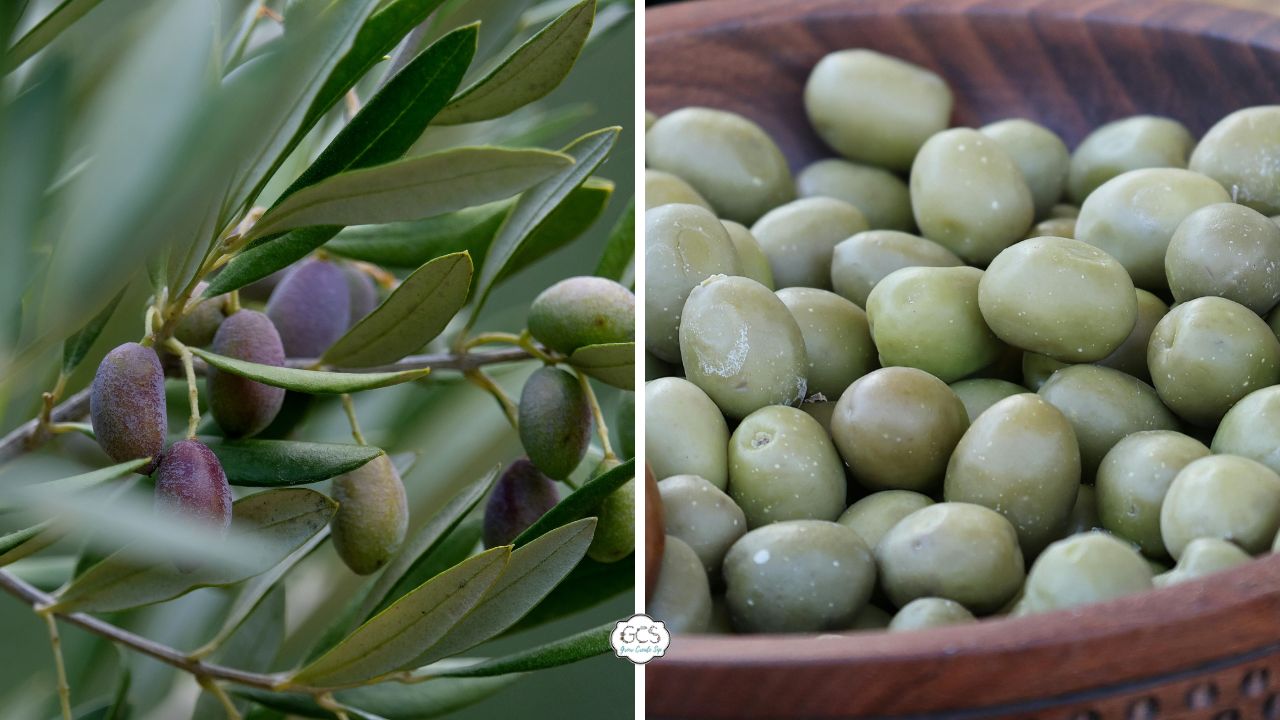
Olive Leaf
Olive leaf (Olea europaea) has a long history in Mediterranean herbal traditions and contains the compound oleuropein. The flavor of olive leaf is naturally bitter and earthy with a sharp herbal edge, often blended with milder herbs like mint or lemon peel to help cover the flavor. Probably best served as a capsule or tincture, not over tea.

Citrus Peel
Interestingly, the peel of citrus fruits is often more useful than the leaves. Orange and lemon peel contain flavonoids such as hesperidin and add both flavor and beneficial plant compounds to tea blends. A
Again, the flavor profile here can be quite tangy, and honestly, dried fruit peels as tea on their own don’t have the most pleasant taste, so other herbs are usually added, like hibiscus flowers or mint.
How Herbalists Build Tea Blends
Instead of combining large numbers of plants, herbal teas usually follow a simple structure that I teach as the tea triangle. Most blends begin with a base herb or primary herb. This is the mild herb that forms the foundation of the tea and gives the blend its backbone. Next comes a supporting herb, sometimes thought of as a nutritive. This herb contributes additional nourishment or character and helps round out the blend. Then an aromatic herb, sometimes called a catalyst, is often added. Plants such as mint, lemon balm, and citrus peel bring fragrance and flavor to the blend and help make the cup more enjoyable to drink. Sometimes a warming herb is included as well, such as clove, black pepper, or cayenne, which can help stimulate circulation and move the herbs through the body. And occasionally an herb is added simply for beauty or color in the cup, like cornflowers. This approach keeps the tea balanced, while each plant contributes something intentional to the recipe.
Many herbalists also think about blends in terms of how herbs support different body systems. For example, some herbs are traditionally used to support digestion or the liver, which is why people often look for gentle herbal teas like those discussed in our guide to herbs traditionally used for liver support.
A Simple Tree-Inspired Tea
For someone drawn to the idea of tree-based herbal teas, a simple blend might look like this:
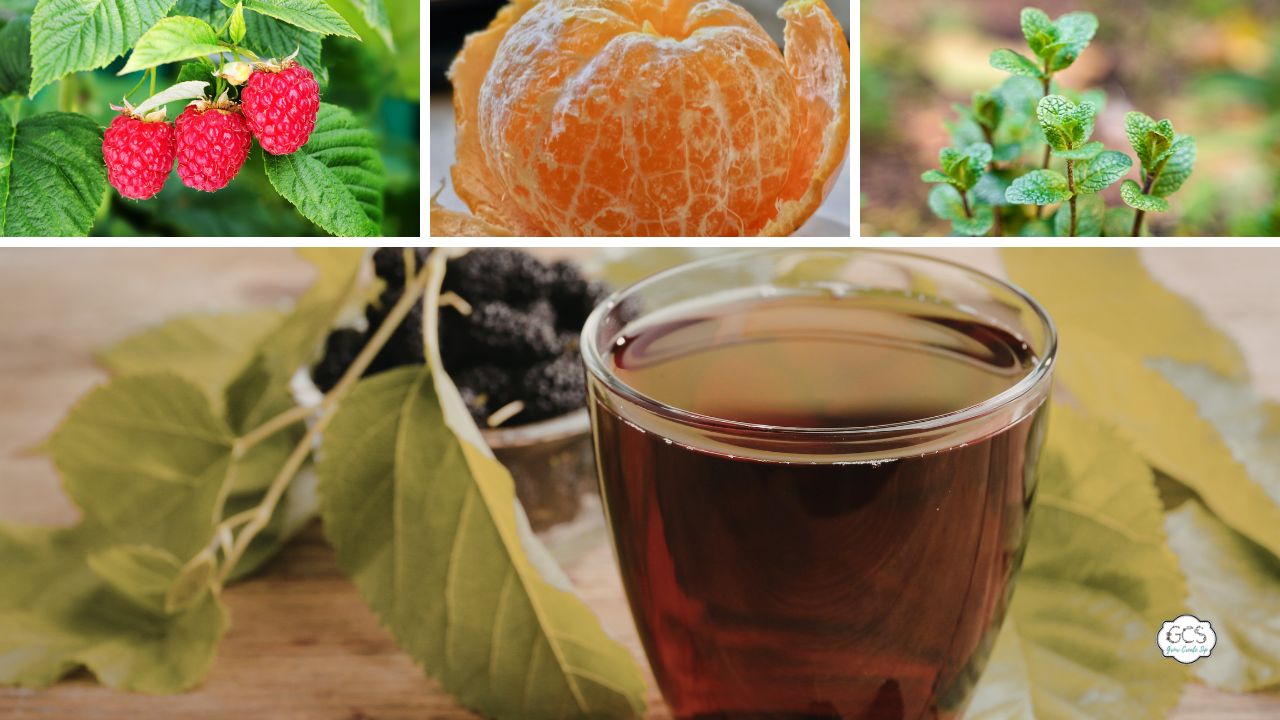
Garden Tea from Tree Leaves
1 part raspberry leaf
1 part mulberry leaf
½ part orange peel
½ part mint
This kind of blend keeps the idea of tree-based herbs while relying on plants with long traditions of safe tea use.
The best way to blend teas is to consider the individual and their particular needs, rather than focusing only on how many polyphenols a plant may contain. God has provided an abundance of useful plants across the world, and often the most practical ones to use are those growing around us that suit our needs in a given place and season. It is remarkable how many different plants serve similar purposes, giving people options no matter the climate or the time in which they live. Go out around your house, yard, and park, and start learning about the ‘weeds’, and you will see just what I mean. The abundance is everywhere.
Common Questions
Can you make tea from peach leaves?
Peach leaves belong to the Prunus family, which contains cyanogenic glycosides. Because of this chemistry and the lack of a long tradition of tea use, most herbal references do not recommend peach leaves as an everyday tea herb.
Are cherry tree leaves safe for tea?
Cherry leaves contain cyanogenic glycosides, including compounds such as amygdalin, which are typical of plants in the Prunus family. Because of this chemistry, they are not commonly used in traditional herbal teas.
Which fruit leaves are commonly used for tea?
The most widely used fruit-related tea leaves include: red raspberry leaf, mulberry leaf, and olive leaf

Skip the Kitchen Sink and Use What You Have
One of the things that makes herbal traditions so interesting is how much practical wisdom they contain.
Spend enough time in the garden, and you quickly see how generous God made the trees to be. God created them to give us fruit, blossoms, shade, wood, and sometimes useful leaves.
But herbal traditions also remind us that each plant part has its proper place. Some leaves make wonderful teas. Some plants are better used in other preparations. And sometimes the best choice is simply letting the leaves stay where they belong, quietly feeding the tree.
Curiosity about plants is always a good thing. It’s exactly how generations before us learned which herbs belonged in the kitchen, which belonged in the apothecary, and which were best left growing in the garden. If you would like to learn more about blending your own teas and how herbs work, make sure to check out our Free Tea Blending Workshop here.
Learn More About Herbal Teas and Plants
- Commercial Tea Bags with Microplastics: Why (and How) to Avoid Them
- How to Grow, Harvest, and Use Basil Plants
- How to Grow, Harvest, and Use Bachelor Buttons
- The Best Herbs for Detoxing the Liver
- All About Herbal Tea: Benefits, Best Types to Drink, & Beyond
- Things to Know About Soursop Tea and Its Alternatives