Witch Hazel: How to Grow, Harvest & Use This Native Herb
Sep 22, 2026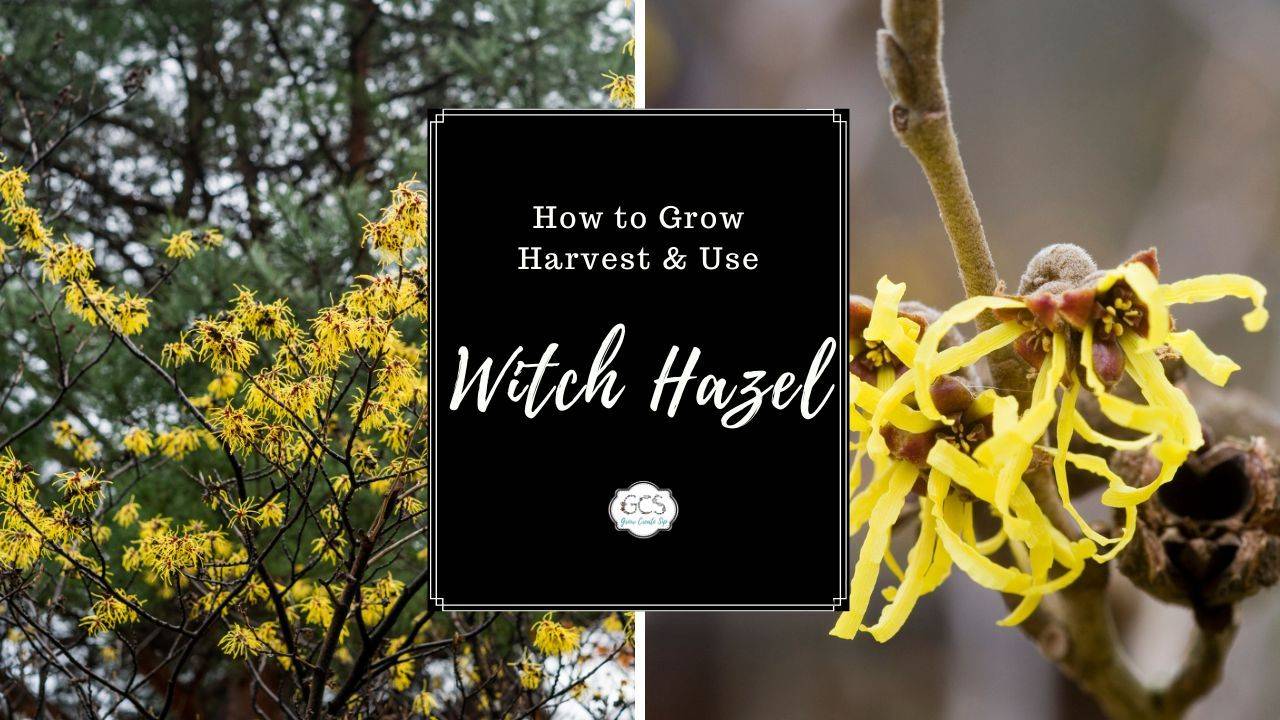
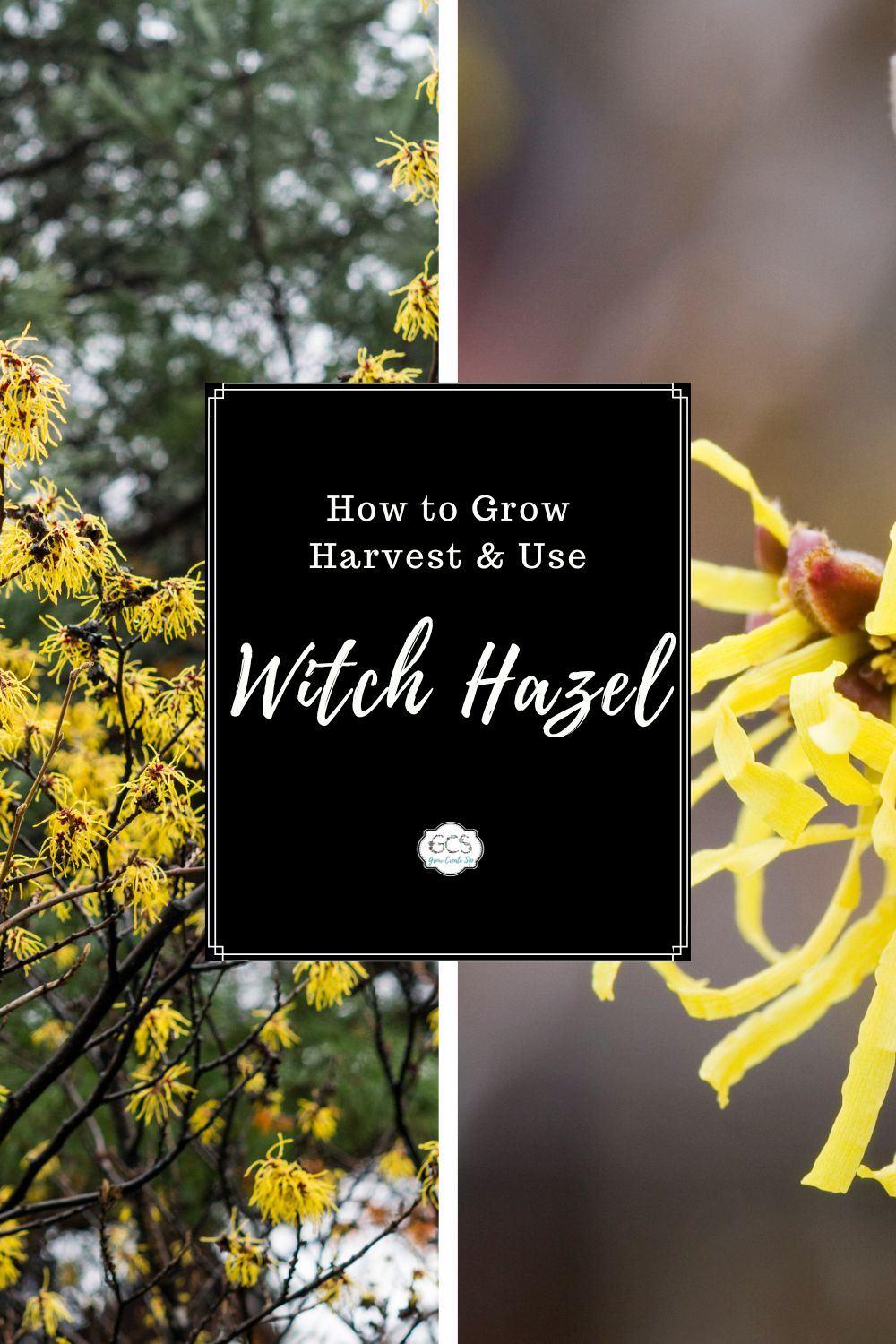
Just when it seems the garden has finished flowering for the year, bright yellow witch hazel blossoms begin appearing among the autumn landscape. As leaves turn shades of red and gold and many plants prepare for winter dormancy, witch hazel provides one of the last floral displays of the season.
I don’t grow witch hazel here on the farm yet, but researching this plant made me excited to discover that it would likely grow well in our space. It has officially made its way onto my planting list! The flowers are so unique, and I especially love the thought of having something putting on such a beautiful show when the rest of the garden is settling down for winter.
While I haven’t harvested witch hazel from the plant myself, the finished preparation is something I keep on hand all the time. I use witch hazel regularly as part of my facial skin-care routine and also reach for it after the occasional itchy bug bite. I actually keep a large bottle at home and a smaller refillable bottle that’s handy for traveling.
Beyond its beauty, American witch hazel (Hamamelis virginiana) has earned a lasting place in traditional herbalism. Its bark, twigs, and leaves have been used for generations for their natural astringent qualities, and today witch hazel remains a familiar ingredient in skin-care products and other topical preparations. If you've only known witch hazel as a bottle tucked away in the bathroom cupboard, here's a chance to meet the plant behind it.
Jump to: traditional witch hazel uses | why it blooms in fall | harvesting | drying & storing | growing witch hazel | companion plants | safety | FAQs
The Legal Stuff
This blog is provided by St. Fiacre's Farm LLC for informational purposes only. It does not constitute medical advice, and you should always seek the advice of a qualified healthcare provider for any medical questions or concerns. These statements have not been evaluated by the Food and Drug Administration. This product is not intended to diagnose, treat, cure, or prevent any disease.
Please note that we may earn a small commission on any purchases you make through our affiliate links, at no additional cost to you. Thank you for your support.

Getting to Know American Witch Hazel
American witch hazel (Hamamelis virginiana) is native to the woodlands of eastern North America. Growing as a large shrub or small tree, witch hazel typically reaches 15 to 25 feet tall with gracefully spreading branches. Its fragrant yellow blossoms appear in autumn, making it one of the latest-flowering woody plants in much of its native range. Long before commercially prepared witch hazel appeared on store shelves, Native American indians used the bark and leaves in traditional preparations. Those traditional uses eventually helped make witch hazel one of North America's most recognizable herbal plants.
Traditional Witch Hazel Uses
The bark, twigs, and leaves of witch hazel naturally contain tannins and other plant compounds responsible for its well-known astringent qualities. Traditionally, witch hazel has been used externally in preparations for: Everyday skin care, occasional minor skin irritation, temporary redness, refreshing hot or tired-feeling skin, and herbal washes and compresses.
Most people know witch hazel as a commercially prepared extract used externally in facial toners, aftershaves, first-aid preparations, and skin-care products. For the home herbalist, learning about the actual plant is a good reminder of how many familiar products begin with something growing in the garden or woodland. If you're just beginning to study individual herbs, our Herbal Monograph Guide is a helpful place to learn what information to record about each plant.
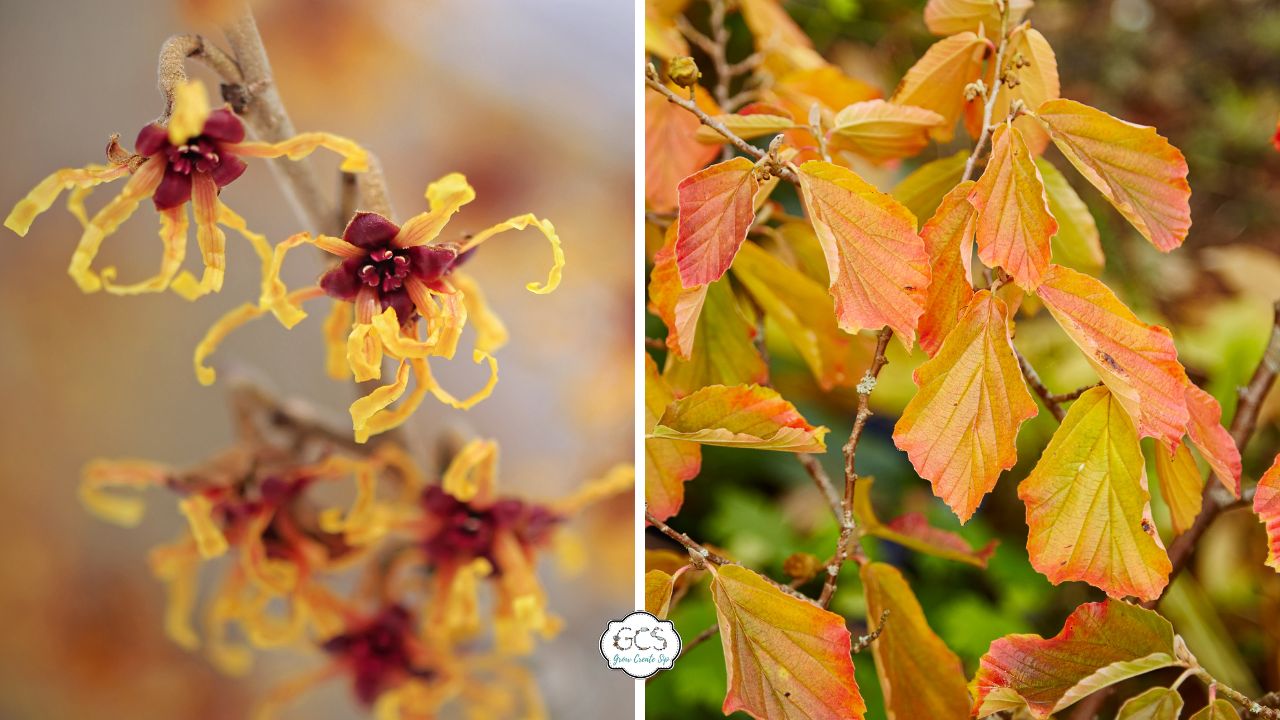
Why Does Witch Hazel Bloom in Fall?
One of witch hazel's most fascinating characteristics is its unusual flowering habit. Rather than blooming in spring like most shrubs, American witch hazel waits until autumn. In many areas, flowers begin opening while colorful leaves are still attached and continue blooming after the foliage drops. Its narrow, ribbon-like petals can curl tightly during freezing temperatures and unfurl again when warmer weather returns, allowing the flowers to persist through the changeable temperatures of late fall.
Following pollination, the seed capsules take many months to mature before eventually splitting open and scattering their seeds away from the parent plant. It's quite a lot of activity for a time of year when we usually think the garden has gone to sleep. This is probably what I'm looking forward to most when we finally add witch hazel here on the farm, having those unusual golden flowers to enjoy so late into fall.
How to Harvest Witch Hazel
Unlike herbs grown primarily for their flowers, witch hazel is traditionally harvested for its bark, small twigs, and leaves. Small twigs and branches can be selectively pruned from healthy, established shrubs. Rather than stripping bark directly from the trunk, harvest bark along with smaller pruned branches to avoid unnecessarily damaging the plant. Leaves can also be collected during the growing season while they're healthy and clean. As with all herbal harvesting, take only what you need and leave the plant in better shape for another season. For more help knowing what plant parts to gather and when, see our How and When to Harvest Herbs: A One-Stop Guide.
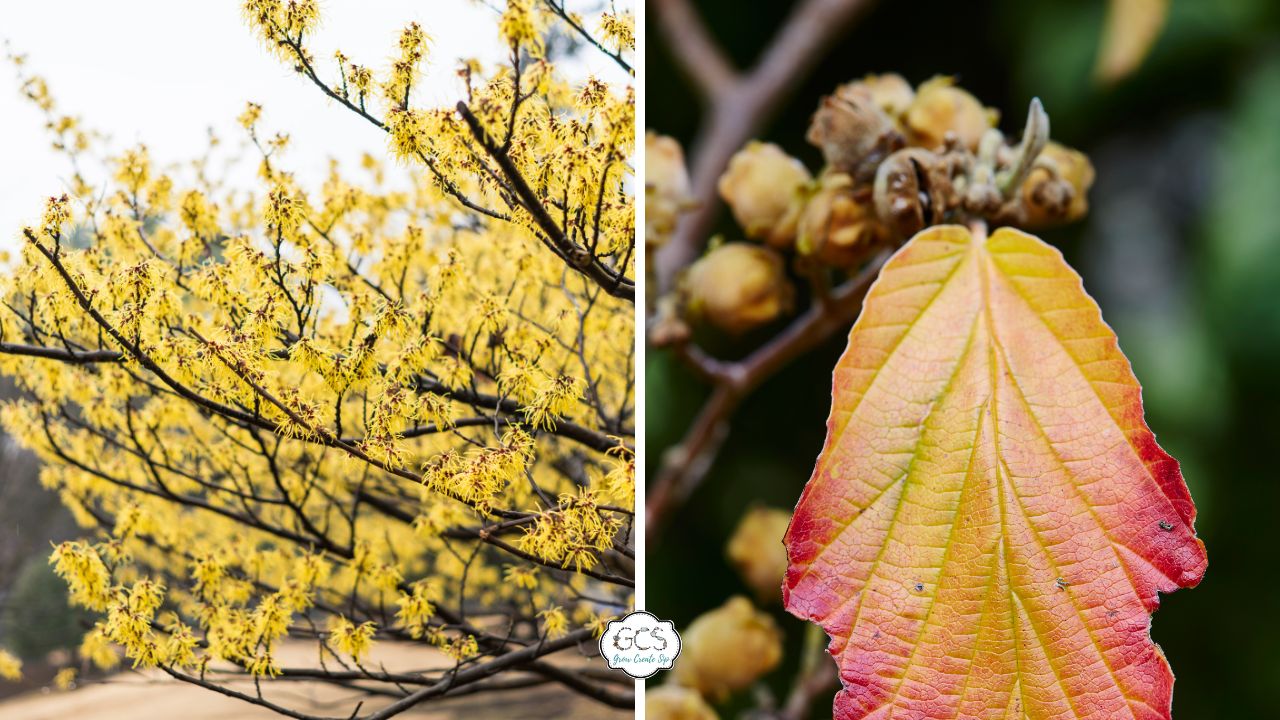
Drying and Storing Witch Hazel
Freshly harvested witch hazel leaves should be spread in a single layer on drying screens with plenty of airflow. You can also use a dehydrator set between 90°F and 100°F, drying the leaves until they are completely crisp. Small twigs and bark take longer to dry because they contain more moisture.
Spread them out in a warm, dry, well-ventilated area and allow them to dry completely before storing.
If you don't have a dehydrator, our How to Dry Herbs Without a Dehydrator guide walks through several simple methods you can use at home. Once the witch hazel is thoroughly dry, store it in airtight glass jars away from heat, moisture, and direct sunlight. Label each jar with the plant name, plant part, and harvest date. You can find more tips for keeping your dried herbs in good condition in our guide to the Best Ways for Storing Herbs After Dehydration.
Growing Witch Hazel
American witch hazel is hardy in USDA Zones 3 through 8 and grows best in full sun to partial shade. It prefers moist, well-drained soil rich in organic matter. Because it develops into a large shrub or small tree over time, give it plenty of room to reach its mature size.
Witch hazel grows slowly, but an established plant can reward your patience with beautiful golden foliage followed by those unusual autumn flowers year after year. Seeds require a lengthy natural stratification period and can take two years or more to germinate, making nursery-grown plants the easiest option for most gardeners. I loved learning that this is something that we could actually grow on the farm, and it's on our to-do list in the coming spring.
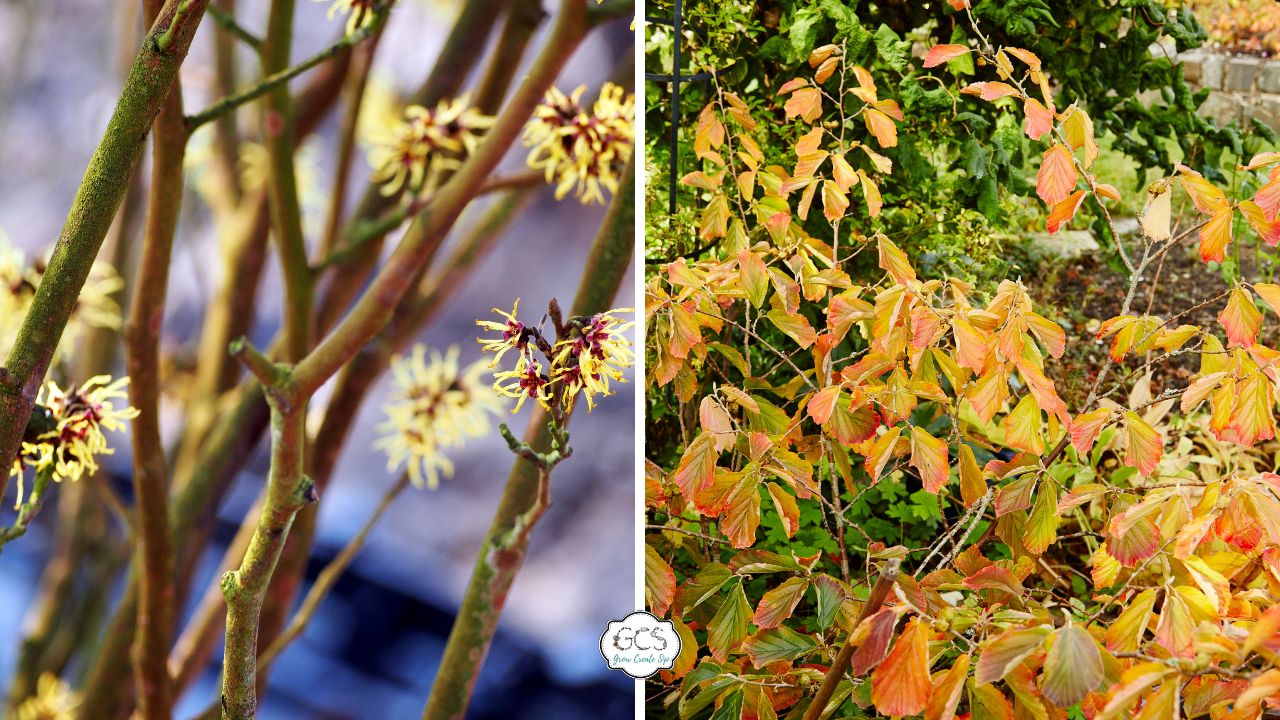
What to Plant With Witch Hazel
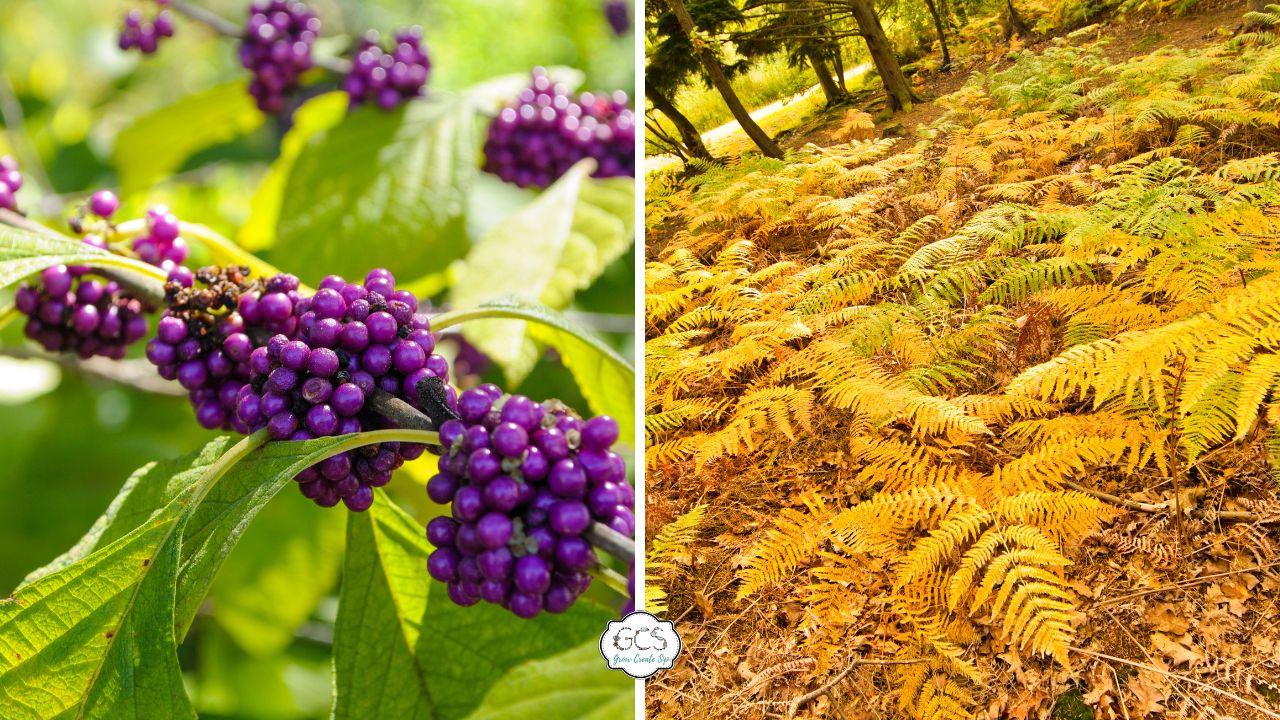
Witch hazel makes a beautiful backdrop for a woodland, native, or cottage-style garden. A few companions to consider include American beautyberry, oakleaf hydrangea, fothergilla, autumn ferns, native asters, goldenrod, white wood asters, heuchera, Christmas fern, and spring-flowering bulbs.
I especially love the idea of spring bulbs beneath its branches. The bulbs can help open the flowering season while witch hazel gets the final word in autumn.
A Note of Caution
Witch hazel is traditionally used primarily as an external herb. While historical references describe other preparations, modern home herbalists generally reserve witch hazel for topical use.
Commercial witch hazel extracts may contain alcohol and should be used according to the directions on the product. As with any herbal preparation, consult a qualified healthcare professional if you have questions about whether witch hazel is appropriate for your individual circumstances.
Common Questions Folks Have About Witch Hazel
What is witch hazel used for?
Witch hazel has traditionally been used externally for its natural astringent qualities. Today, it's commonly found in facial toners, aftershaves, first-aid preparations, and other topical skin-care products.
What part of the witch hazel plant is used?
The bark, small twigs, and leaves are the parts traditionally used in herbal preparations. When does witch hazel bloom? American witch hazel is unusual because it flowers in autumn. Its yellow ribbon-like flowers generally appear in late fall, depending on the local climate.
Can you grow witch hazel at home?
Yes. American witch hazel is hardy in USDA Zones 3 through 8 and prefers full sun to partial shade with moist, well-drained soil. Give it plenty of room, as it can mature into a large shrub or small tree.
Is homemade witch hazel the same as store-bought witch hazel?
No. Store-bought witch hazel is typically a distilled preparation made from witch hazel bark and twigs, and many formulas contain alcohol. At home, an herbalist is more likely to simmer the bark or twigs in water to make a simple decoction for external use. That homemade preparation is different from the clear, shelf-stable witch hazel extract you buy at the store and should not be treated or stored the same way.
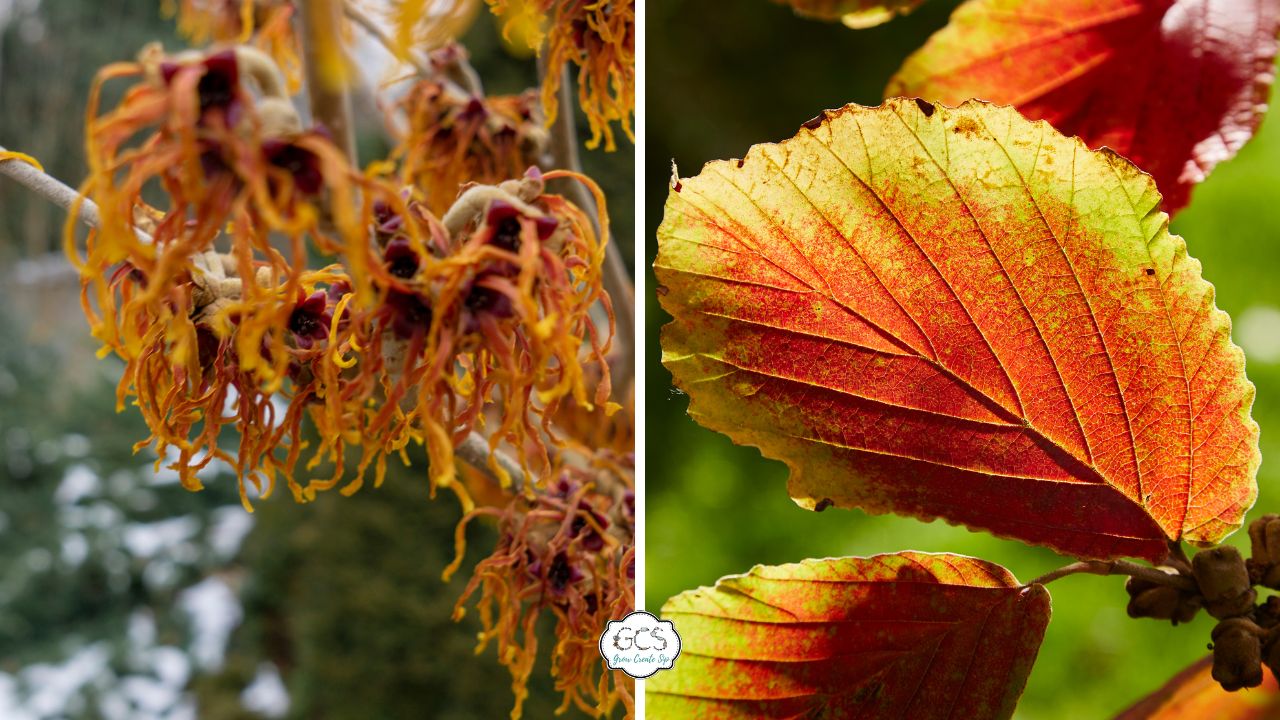
A Bright Ending to the Garden Season
Most gardeners expect spring to bring the first flowers of the year. Witch hazel reminds us that the garden has one last surprise in store. As the vegetable beds are put to rest and perennial borders fade for the season, its bright golden blossoms provide one final burst of color before winter.
For me, researching this plant turned something I've kept in a bottle for years into a plant I now want growing here on the farm. I already appreciate witch hazel as a practical staple in our home, but now I'm looking forward to appreciating the plant itself, and especially those unusual golden flowers when so little else is blooming.
Even at the close of the season, the garden still has something beautiful left to share.

Ready to Build Your Own Herbal Pantry?
One of my favorite things about learning herbs is realizing that you don't have to begin with a cupboard full of unusual ingredients.
You can start with familiar plants and pantry staples and learn them one at a time. If you'd like some help doing just that, our Homestead Pantry Herbs E-book is designed to help you start with what you already have and turn everyday herbs and ingredients into practical preparations for your home. It's a simple next step if you're ready to move beyond recognizing herbs on a label and begin getting to know the plants themselves.
More Herbal Growing & Harvesting Guides
- How to Preserve Flowers for Tea
- Herbalist Garden: Getting Started
- 6 Tips on How to Grow an Herbal Tea Garden
- Most Affordable and Productive Medicinal Plants to Grow
- Dehydrating Flowers, Fruits & Botanicals for DIY Herbal Tea
- How to Dry Herbs Without a Dehydrator